What We Do Differently
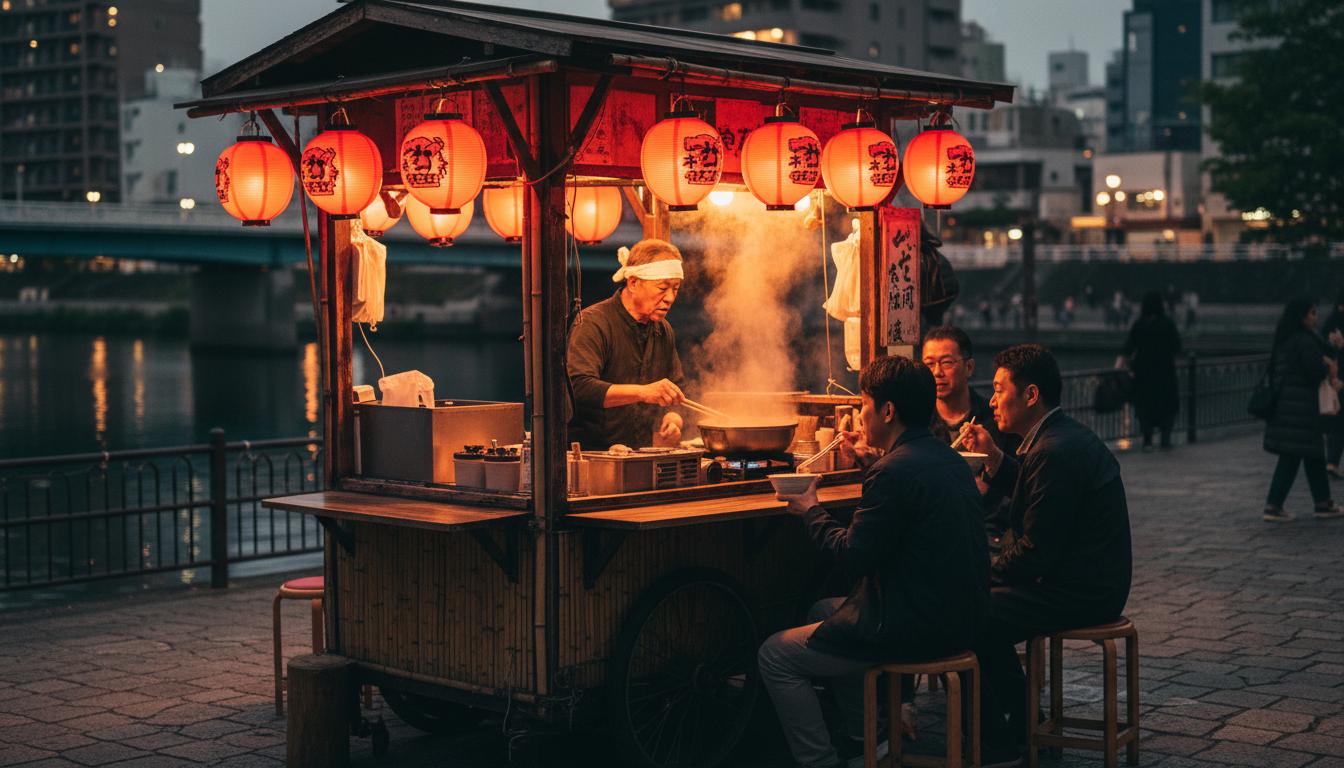
Most Japan guidebooks were written by someone who visited for ten days and stayed in Shinjuku. We live here. Alex has walked 600 kilometers across Tokyo in the past three years, tracking every interesting alley and questionable food stall. Mei grew up in Fukuoka and can name every yatai owner along the river by first name. Sam shoots only on 35mm film because he says digital makes neon look "too clean."
We don't do "hidden gems." That phrase is a lie. If it's in a guidebook, it's not hidden. What we do is tell you which places are worth the hype and which ones you should skip. We'll say it straight: Golden Gai is amazing and also kind of a tourist trap now. The yakitori is overpriced and some of the bars charge a cover just for existing. Go anyway, but don't expect to find a 500 yen beer.
Our guides are built on first-hand visits. We pay our own way, always. No sponsored neighborhood features. No free meals from restaurants hoping for coverage. No tourism board inviting us on curated press trips. When we say a place is good, it's because we went there, spent our own money, and genuinely liked it. When we say it's bad, same thing.
What You'll Find Here
Neighborhood Guides — Deep dives into the areas we actually know. Shimokitazawa, Koenji, Yanaka, Nakazakicho, and more. Each guide includes how to get there, what to expect, where to eat, what not to do, and approximately how much cash to bring. Because yes, you'll need cash. No, they don't take cards. We cover six neighborhoods in detail, with plans to add more as we explore them thoroughly enough to write about them responsibly.
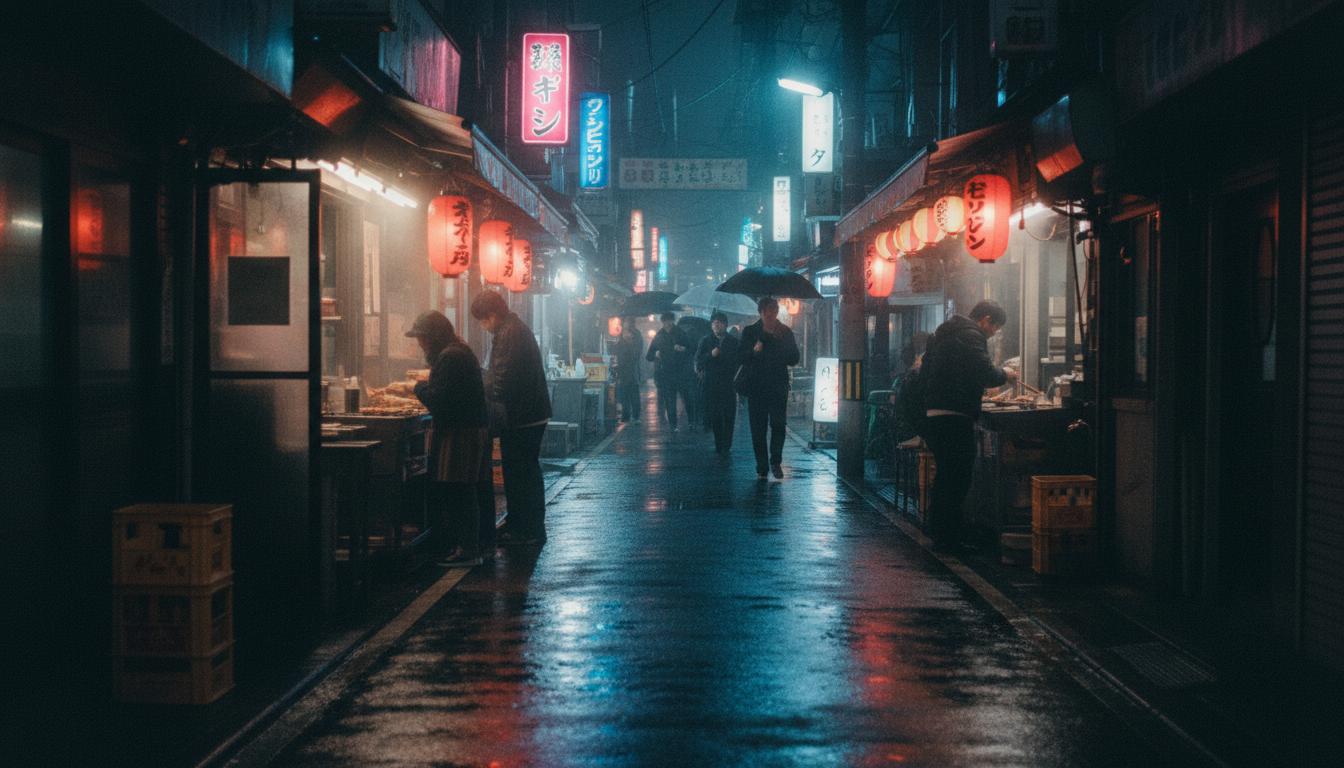
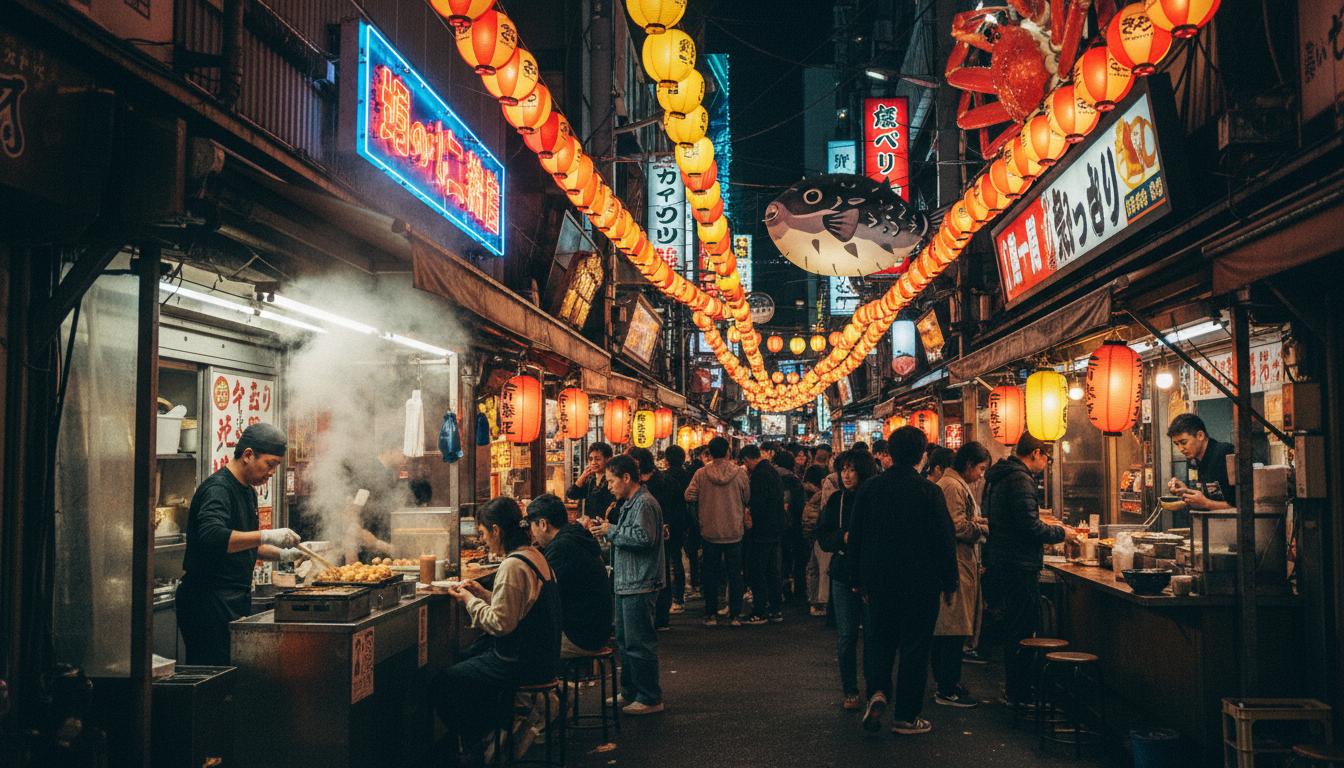
Street Food & Standing Bars — Japan has an entire category of eating that happens while standing. Tachinomiya are bars with no seats, no cover charge, and no pretension. Yakitori alleys where the smoke is part of the seasoning. Depachika basement food halls that will make you weep at the quality. We cover it all, plus the unwritten rules so you don't embarrass yourself. Did you know you're supposed to fold your oshibori neatly and place it beside your plate? Now you do.
Getting Around — The Tokyo train system is a miracle and also a puzzle designed by someone who hates tourists. We'll explain IC cards, last train culture, why you should avoid the Yamanote line at 8:15am, and what to do when you inevitably get lost in Shinjuku station. Spoiler: everyone gets lost in Shinjuku station. Even the locals. We cover the Shinkansen, local buses, taxis with their automatic doors, and the etiquette of riding public transit without making everyone hate you.
Japan After Dark — Everything closes earlier than you think. Last food orders are often 10pm. The last train is around midnight. But the night is when Japan gets interesting. Izakayas fill with salarymen drinking away the work week. Tiny bars in Golden Gai fit exactly six people. And if you miss the last train, the capsule hotel becomes your best friend. We cover the night districts, the drinking culture, the safety considerations, and why the konbini is the most reliable late-night food option in the country.
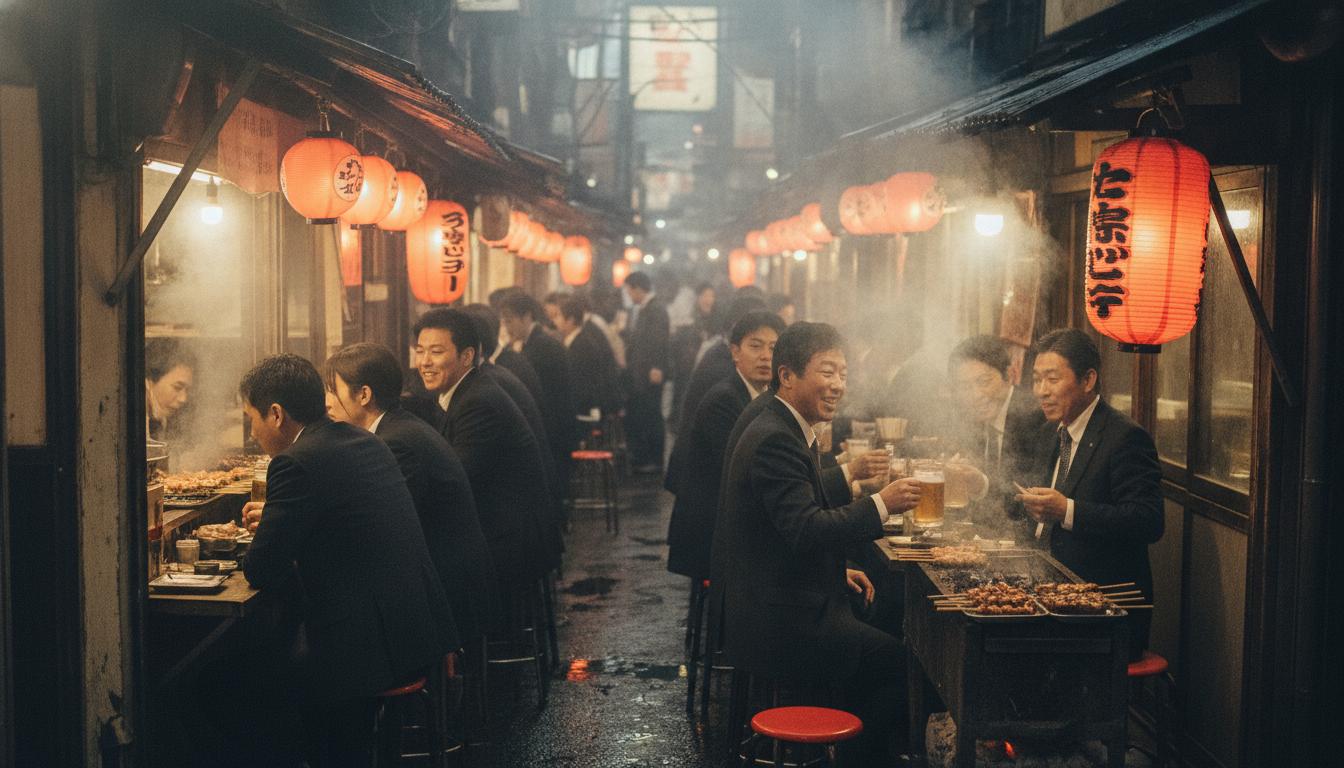
Omoide Yokocho in Shinjuku. Smoke, beer, and grilled chicken. What more do you need?
Our Rules
We don't use words like "nestled" or "immerse yourself" or "vibrant tapestry." We don't call places "hidden gems" when they're listed on every travel blog. We don't pretend that every experience was magical, because sometimes you eat bad ramen and get rained on and that's just how it goes. Life isn't an Instagram feed, and neither is travel.
We do give you specifics. Real place names. Actual prices in yen. Train lines and exit numbers. The name of the alley where the good stuff is. We tell you when a place is cash-only, when you need reservations, and when the owner will glare at you for taking photos. Which is often. Japanese shop owners have perfected the art of the disapproving stare, and we want you to be prepared for it.
We update our guides. Restaurants close. Shops move. Neighborhoods change. We revisit the places we write about at least once a year, and when something's different, we note it. Check our corrections page if you want to see our mistakes. We keep them public because honesty is the whole point. Most travel sites quietly delete outdated information. We document our failures because that's how trust works.
Who This Is For
This site is for travelers who want more than a checklist of temples and shrines. It's for people who'd rather wander an unfamiliar neighborhood than stand in line for another Instagram spot. It's for anyone who's ever looked at a Tokyo alley and thought, "I bet there's something interesting down there." There usually is. We've checked.
It's not for everyone. If you need English menus everywhere, if you can't handle a little confusion, if the idea of eating standing up sounds stressful rather than fun, Japan has plenty of excellent guided tours. We're not that. We're the equivalent of a friend who lives here and has strong opinions about where to go. Take our recommendations or leave them, but at least you'll know what a local thinks.
And we do have strong opinions. Mei thinks conveyor belt sushi is a perfectly acceptable lunch option and anyone who says otherwise is a snob. Alex believes the best ramen in Tokyo is in a mall food court in Ikebukuro. Sam will argue for hours that fluorescent lighting is the most honest way to photograph Japan at night. You're getting real people with real biases, not a neutral travel encyclopedia written by committee.
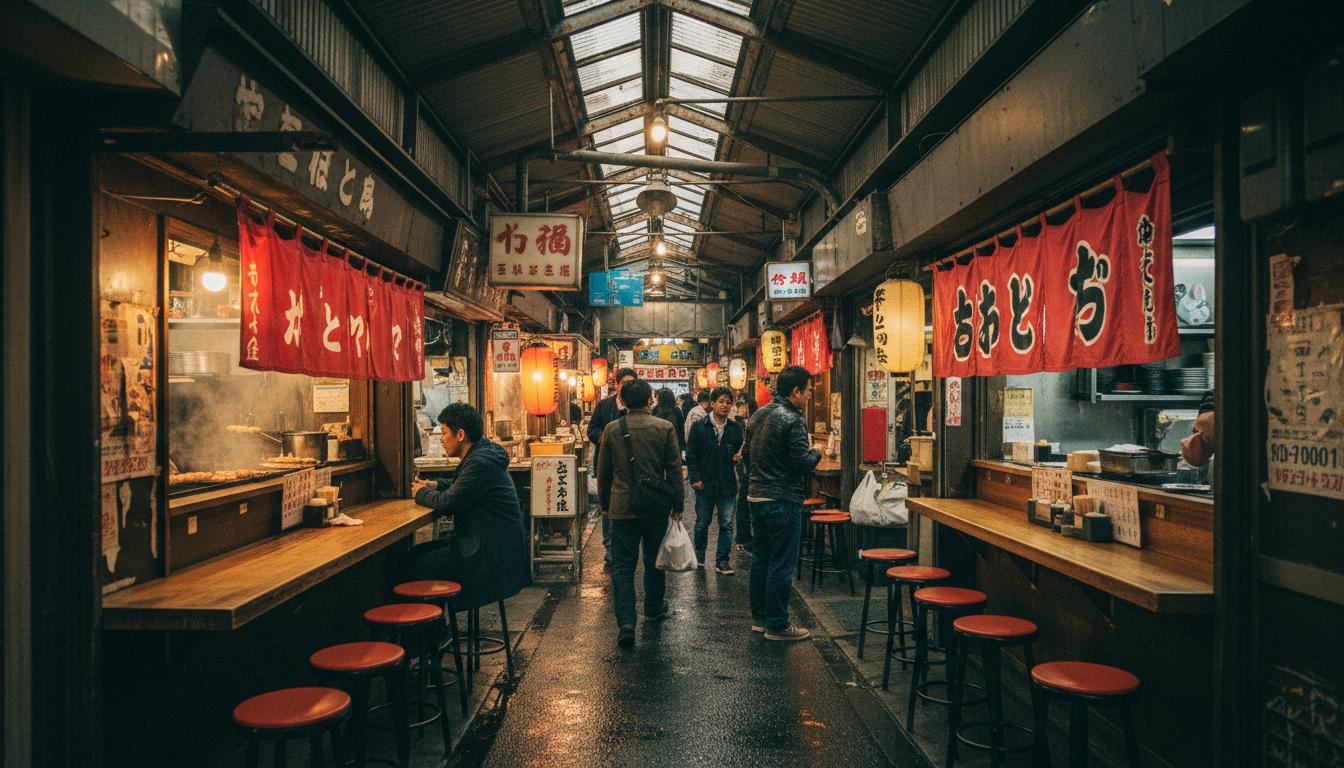
Harmonica Yokocho in Koenji. Showa-era nostalgia, cheap beer, and zero pretension.
Start Here
If you're not sure where to begin, pick a neighborhood guide and just start reading. Shimokitazawa is our most popular guide for a reason. It's easy to reach, fun to walk around, and has something for everyone. Vintage shopping, live music, great coffee, and some of the best people-watching in Tokyo. No chain stores allowed, which means every shop is a small business run by someone who cares. It's the perfect introduction to Tokyo beyond the tourist circuit.
If you're more interested in food, the street food guide covers everything from standing bars to depachika basement halls. We explain what oshibori is and why you'll get one at every restaurant. We tell you which convenience store chain has the best fried chicken. And we explain the no-walking-while-eating rule, which is more complicated than it sounds. Some places it's frowned upon. At festivals, it's expected. Context matters, and we give it to you.
However you use this site, we hope it helps you find something unexpected. The best moments in Japan are the ones you don't plan. The alley you turned down because it looked interesting. The bar you walked into because you were cold and it happened to be open. The conversation you had with a stranger at a yatai counter. Those are the moments we write about, and those are the moments that make travel worth it. Guidebooks can't plan those moments for you. They happen when you're open to them.
What Makes Japan Different
Japan operates on rules that make no sense until you understand the logic behind them. Everything has a proper way to be done. There's a correct way to ride an escalator, a correct way to eat ramen, a correct way to hand over money at a shop counter. These aren't arbitrary restrictions. They're the social glue that allows 14 million people to live in Tokyo without constantly murdering each other. And once you start to understand them, Japan becomes much easier to navigate.
The food culture is the perfect example. In most countries, street food is a fallback option. It's what you eat when you can't afford a proper restaurant. In Japan, some of the best food in the country is served from stalls, carts, and tiny counters with no seats. The guy grilling chicken skewers in an alley in Shinjuku has probably been doing it for thirty years. He's not there because he couldn't get a job at a restaurant. He's there because that's his craft, and he's a master of it. The standing bar with six seats and no English menu might serve better cocktails than the hotel bar that charges 2,000 yen per drink.
The Neighborhoods We Keep Going Back To
After three years of walking around Tokyo, we have our favorites. Koenji will always be number one for Alex because he lives there and it feels like home. Shimokitazawa is where we take visitors who want to understand why Tokyo is cool. Yanaka is where we go when we need to slow down and remember that this city existed before the neon and the skyscrapers. Nakazakicho in Osaka is our secret that we're only partially sharing because we want it to stay the way it is.
Each of these neighborhoods has a distinct personality, and the personality persists even as individual shops and restaurants come and go. Koenji will always be punk rock and cheap beer. Shimokitazawa will always be vintage clothes and live music. Yanaka will always be old houses and sleeping cats. That's what makes them worth visiting. Not any specific restaurant or shop, but the overall feeling of being in a place that knows what it is and doesn't care what anyone else thinks.
We hope this site helps you find your own favorites. Maybe it'll be one of ours. Maybe it'll be a neighborhood we haven't covered yet, that you discover on your own and tell us about. That's the best possible outcome. Japan is too big and too interesting for any one guide to cover it all. We're just sharing what we've found, and hoping it inspires you to go find your own things.
How to Use This Site
There's no wrong way to use Sora Cast. Read a neighborhood guide before your trip to plan your days. Pull up our transit guide on your phone while you're standing in Shinjuku station trying to figure out which platform you need. Browse the street food guide while you're hungry and looking for inspiration. Save pages to your phone's reading list for offline access. Share links with friends who are planning their own Japan trips.
We don't have an app because we don't need one. This site works on any phone browser. The pages are lightweight and load quickly even on Japanese mobile networks. We don't have a newsletter because we don't want to clutter your inbox. We don't have social media because we think the internet has enough content already. Just this website, updated when we have something worth saying, and silent when we don't. That's the deal. Take it or leave it. We think you'll find that this site has everything you actually need and nothing that you don't. No filler, no fluff, no forced positivity. Just honest information from people who walk the streets and eat the food and write it down. That's Sora Cast. We hope you find it useful, and we hope it helps you discover something unexpected on your next trip to Japan. The best travel experiences are the ones you can't plan in advance, and we're here to gently nudge you toward them. That's what Sora Cast is all about. We hope you enjoy exploring Japan with us.
Whatever brings you to Japan, we hope our guides help you see a side of it that most tourists miss. Not the hidden side, because nothing is truly hidden anymore. But the real side. The side where people actually live, work, eat, and drink. That's the Japan we know, and that's the Japan we want to share with you.
Japan rewards the curious. It rewards people who are willing to get a little lost, eat something they can't identify, and trust that everything will work out. It usually does. This country is safer than almost anywhere else on earth. The trains run on time. The food is consistently excellent. And the worst thing that's likely to happen to you is that you miss your train and have to spend the night in a capsule hotel. Which, honestly, is a story worth having.
Explore Neighborhoods
A Note on Our Name
People often ask what Sora Cast means. Sora means sky in Japanese. Cast refers to casting a wide net, like fishermen do. Together, they represent our approach: look everywhere, explore broadly, and see what you catch. We cast our nets across Tokyo's neighborhoods, Osaka's food stalls, and Fukuoka's riverbanks, and we write about what we haul in. It's not a weather site. It's not a podcast. It's a travel guide written by people who walk too much.